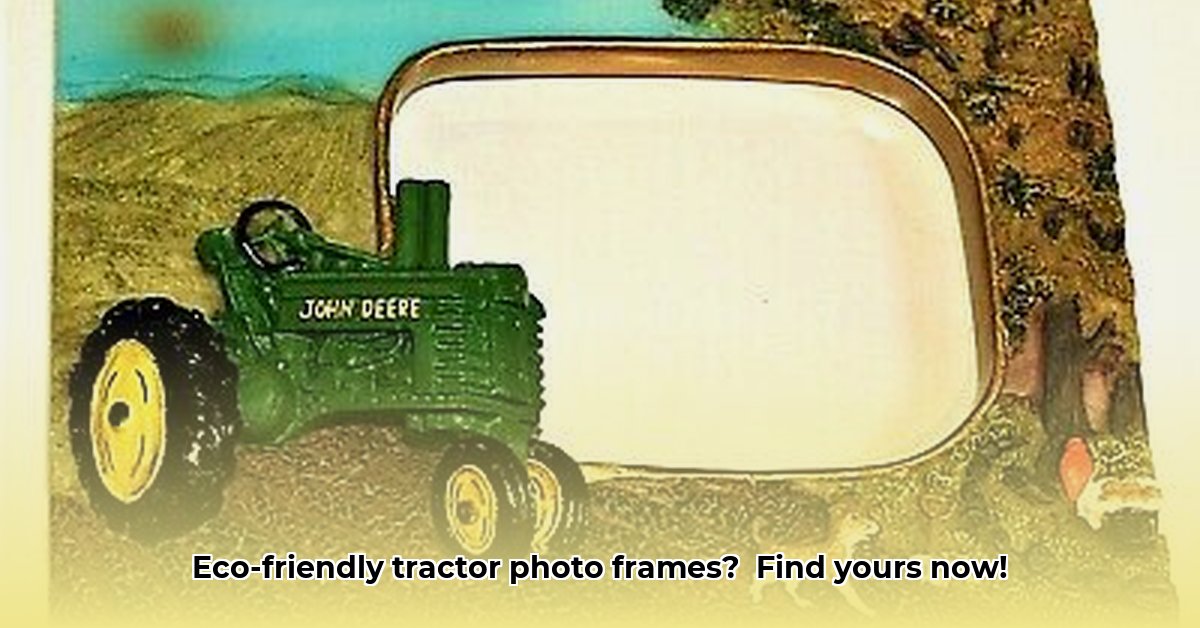
Tractor Photo Frames and Environmental Impact: A Closer Look
Finding the perfect tractor photo frame to showcase cherished memories is enjoyable, but its environmental impact often goes unnoticed. This guide delves into the sustainability of tractor photo frames, examining their production and encouraging informed consumer choices. We'll explore the often-hidden details—from wood sourcing to shipping—to help you make a purchase that aligns with your environmental values. For more information on sustainable framing options, check out this helpful resource.
Where Does the Wood Come From? Transparency in Sourcing
Many tractor photo frames boast "Made in America" labels, suggesting reduced carbon emissions from global shipping. However, the origin of the wood remains largely undisclosed. Was it responsibly harvested? The absence of certifications like the Forest Stewardship Council (FSC) certification – which signifies responsible forestry management – leaves consumers uncertain about the wood's origin and the environmental impact of its harvesting. "Without clear labeling, you’re essentially gambling on the sustainability of the product," explains Dr. Emily Carter, Professor of Sustainable Forestry at the University of California, Berkeley.
Manufacturing and Energy Consumption: The Unspoken Costs
The manufacturing process—from felling trees to final sanding—consumes significant energy. While handcrafted frames may use less energy than mass-produced ones, a disconcerting lack of transparency shrouds the actual energy used and waste generated. "It's remarkably difficult to get concrete data on energy usage and waste reduction in this industry," notes Mark Olsen, CEO of GreenCraft Manufacturing, a company committed to sustainable practices. This lack of information is a major obstacle for eco-conscious consumers. Data-backed claims regarding energy efficiency or waste reduction are rarely found. How can we trust the "eco-friendly" claims without this data?
Packaging and Shipping: Minimizing the Carbon Footprint
Even sustainably sourced wood can be offset by excessive packaging and inefficient shipping. Are the materials recyclable? Is the packaging minimized? Companies often overlook these crucial factors. Dr. Carter emphasizes, "The packaging and shipping stages frequently negate any gains made in sustainable forestry." Consumers should prioritize companies transparent about their packaging choices and those utilizing eco-friendly and minimal packaging solutions.
Small Frame, Big Impact: Your Purchasing Power
A single tractor photo frame might seem insignificant, but collective consumer choices have a profound impact. Supporting businesses committed to sustainability sends a strong message, stimulating further market adoption of earth-friendly practices. According to Mr. Olsen, "Increased consumer demand for transparent and sustainable products is the most effective lever for change in this sector."
Choosing a Greener Frame: A Practical Checklist
| Feature | Eco-Friendly Choice | Less Eco-Friendly Choice |
|---|---|---|
| Wood Source | FSC certified wood or clearly stated sustainable source | No information on wood source or vague claims |
| Manufacturing | Locally made, transparent energy usage details available | No information on manufacturing practices or location |
| Packaging | Recyclable or minimal, biodegradable packaging | Excessive or non-recyclable packaging |
| Shipping | Carbon-neutral shipping options (if offered) | No details on shipping methods or emissions implications |
Before You Buy: Essential Questions to Ask
Before purchasing, consider these crucial questions:
- Origin: Where was the frame made? This clarifies potential shipping distances and manufacturing processes.
- Wood Type: What specific wood type is used? Look for certifications.
- Packaging: What materials and quantity of packaging are used?
- Shipping: What shipping methods were employed? This reveals the environmental impact.
By actively engaging with manufacturers and demanding transparency, consumers can influence positive change.
Verifying Sustainable Wood Sourcing: A Deeper Dive
Sustainable wood sourcing involves legal compliance, certifications (like FSC®), and responsible forestry practices. While North American forests often show more growth than harvest, widespread adoption of sustainable practices remains a challenge, particularly for smaller landowners facing certification costs. Verifying sustainability necessitates investigating the manufacturer's transparency and certifications.
Decoding Sustainability: A Step-by-Step Guide
- Check for Certifications: Look for the FSC® label, indicating responsible forest management.
- Investigate the Manufacturer: Seek detailed information on wood sourcing and forestry practices. Transparency is paramount.
- Traceability: Confirm the manufacturer's ability to trace the wood's origin.
- Holistic Perspective: Consider packaging and shipping methods beyond the wood itself.
Consumer demand is crucial for driving sustainable practices, making your informed choices impactful. Choosing a sustainably sourced tractor photo frame becomes a statement for a healthier planet.